Istanbul is huge, and where you sleep decides how much of your trip you spend walking to sights and how much you spend in traffic. The good news is that almost every area visitors choose sits on a tram line, a metro line or a ferry pier. The question is less "which area is best" than "which area suits the trip you are planning".
Below are the six areas most visitors pick, with honest pros and cons. Whichever you choose, check the exact street: in Istanbul, two hotels 300 metres apart can feel very different, especially on the hills.
The areas at a glance
| Area | Best for | Main transport | Our transfer from IST / SAW |
|---|---|---|---|
| Sultanahmet | First visit, history, short stays | T1 tram | $70 / $75 |
| Karaköy and Galata | All-rounders, couples, food | T1 tram, Tünel, ferries, M2 (Şişhane) | $65 / $75 |
| Taksim and Cihangir | Nightlife, restaurants, return visits | M2 metro, F1 funicular | $65 / $70 |
| Beşiktaş and Ortaköy | Bosphorus views, local life | Ferries, buses | $65 / $70 |
| Nişantaşı | Shopping, business, quieter evenings | M2 metro (Osmanbey) | $65 / $70 |
| Kadıköy and Moda | Local feel, food, longer stays | Ferries, M4 metro | $80 / $65 |
Sultanahmet: for first-timers
If this is your first trip and you mainly want to see the monuments, Sultanahmet is the obvious choice. Hagia Sophia, the Blue Mosque, Topkapı Palace and the Basilica Cistern are all on foot, and you can be first in the queue at 09:00. The T1 tram runs to Eminönü, Karaköy and Kabataş.
- Pros: walk to the main sights; plenty of small hotels, many with roof terraces facing the sea or the mosques; calm at night.
- Cons: very touristy by day, with more carpet-shop touts than elsewhere; fewer good restaurants and little nightlife; streets empty early.
- Nearby alternatives: Sirkeci and Eminönü are a little cheaper and closer to the ferries, but busier and more commercial. Laleli and Aksaray are wholesale districts with many budget hotels; practical, but not where most visitors want to spend their evenings.
Staying in Sultanahmet? Fixed price from the airport to your hotel.
Karaköy and Galata: the best all-round base
Just across the Galata Bridge from the old city, Karaköy combines good transport with a lot of life: cafés, galleries, restaurants, the Galataport waterfront and ferries in every direction. Uphill, Galata has the tower, steep cobbled lanes and wine bars, and it runs into the southern end of İstiklal Avenue.
- Pros: the old city is one tram stop or a 15–20 minute walk across the bridge; the T1 tram, the historic Tünel funicular and ferries to Kadıköy and Üsküdar are all close; good evenings without the Taksim crowds.
- Cons: the hills around Galata Tower are steep and some lanes are pedestrian, so check how close a car can get to your hotel if you have heavy luggage or a pushchair. The feel changes block by block.
- Good to know: the area has everything from small design hotels to large luxury properties on the water, such as The Peninsula Istanbul. Cruise passengers arriving at Galataport can see our Galataport transfer guide.
Taksim and Cihangir: for nightlife and food
Taksim Square is a transport hub: the M2 metro runs north to Şişli and Levent and south across the Golden Horn, and the F1 funicular drops to Kabataş in a couple of minutes for the tram and ferries. İstiklal Avenue, its side streets and Asmalımescit are where much of Istanbul's nightlife is.
- Pros: the widest choice of restaurants, bars and mid-range hotels; easy transport; lively until late.
- Cons: the square and İstiklal are crowded and noisy, especially at weekends. Ask for a room away from the street if you sleep lightly.
- Cihangir is the quieter alternative, a residential hillside of cafés, antique shops and apartments a few minutes' walk below Taksim, with views over the Bosphorus. It suits longer stays and return visitors more than monument-focused trips.
Beşiktaş and Ortaköy: on the Bosphorus
Beşiktaş is a busy, student-filled district with a large fish and food market, cheap places to eat and ferries to Kadıköy and Üsküdar. Along the shore towards Ortaköy are Dolmabahçe Palace and some of the city's grandest waterfront hotels, such as Çırağan Palace Kempinski. Further north are the villages covered in our Ortaköy, Bebek and Arnavutköy guide.
- Pros: the Bosphorus on your doorstep; feels like everyday Istanbul; good ferry links to the Asian side.
- Cons: further from the old city. The coast road is often congested and central Beşiktaş has no metro station at present, so you rely on buses, ferries or a walk to Kabataş for the tram.
Nişantaşı: smart and calm
Nişantaşı is Istanbul's upmarket shopping district, with designer boutiques, cafés and leafy residential streets. It is a short walk to Osmanbey on the M2 metro, one stop from Taksim. Large hotels around Maçka Park and Harbiye are a few minutes away.
- Pros: quiet, polished and safe-feeling at night; good for business trips, shopping and travellers who prefer calm evenings.
- Cons: no major sights nearby; every sightseeing day starts with the metro, the funicular and the tram, or a taxi.
Kadıköy and Moda: the Asian side
Kadıköy and Moda give you the most local experience: a superb food market, bars, bookshops and a long seaside promenade, with far fewer tourists. Ferries cross to Eminönü, Karaköy and Beşiktaş, and the crossing is one of the nicest commutes in the world.
- Pros: great food and atmosphere; usually better value; close to Sabiha Gökçen Airport, which the M4 metro reaches directly.
- Cons: every trip to the old city involves a ferry, and services thin out late at night. Better for a fourth or fifth day, or a repeat visit, than for a short first trip.
Which area suits you?
- First visit, 2–3 days: Sultanahmet, or Karaköy if you also want good evenings.
- Couples: Karaköy, Galata or a Bosphorus hotel in Beşiktaş or Ortaköy.
- Families: Sultanahmet for walking to the sights, or a larger hotel in Karaköy, Beşiktaş or Nişantaşı with lifts and family rooms. See our Istanbul with kids guide.
- Nightlife: Taksim, Galata or Kadıköy.
- Longer stays and repeat visits: Cihangir, Kadıköy or Moda.
- Split stay: with five days or more, two nights in Sultanahmet and the rest in Karaköy, Beşiktaş or Kadıköy works well.
For safety, the areas above are all widely used by visitors; the usual city precautions apply, and our Istanbul safety guide covers common scams.
Hotel or apartment?
Short-term holiday rentals are regulated in Turkey. Under Law No. 7464, in force since 1 January 2024, an entire home rented for less than 100 days needs a permit from the Ministry of Culture and Tourism, and renting out single rooms short-term is no longer allowed. If you book an apartment, check that the listing shows a permit number. Hotels and apart-hotels have their own tourism licences and are not affected.
Getting from the airport to your area
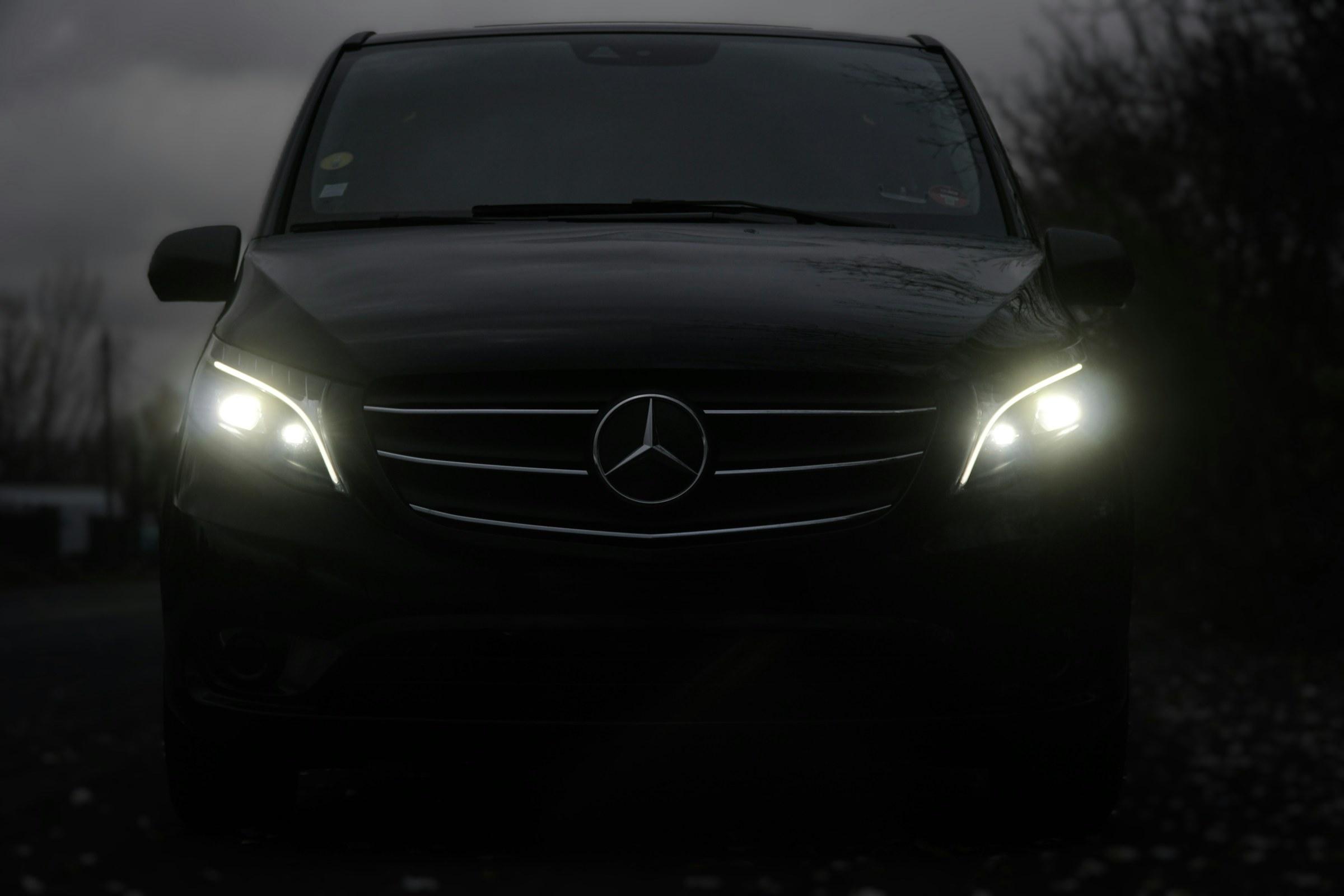
Istanbul has two airports: Istanbul Airport (IST) on the European side, and Sabiha Gökçen (SAW) on the Asian side. From IST, the European-side areas are the shortest drive; from SAW, Kadıköy is closest. Our fixed prices for a Private Mercedes Vito are in the table above, for example Istanbul Airport to Sultanahmet $70 ($80 VIP), Istanbul Airport to Galata $65 ($75 VIP) and Sabiha Gökçen to Kadıköy $65 ($75 VIP).
The price is per vehicle, not per person, for up to 6 passengers and up to 12 suitcases, with tolls, parking and waiting included. Your driver meets you inside arrivals with a name sign and tracks your flight, you pay on arrival in cash (EUR, USD or TRY), and cancellation is free up to 24 hours before pickup. See all our fixed prices, or compare with a metered taxi in our Istanbul Airport taxi fares guide.
Landing at Sabiha Gökçen? Get a fixed price to your hotel.
Once you have a base, plan your days with our things to do in Istanbul guide and the 1-, 2- and 3-day itinerary. Istanbul VIP is operated by Regatta Turizm (TÜRSAB licence 10138); WhatsApp us 24/7 at +90 507 055 44 36.