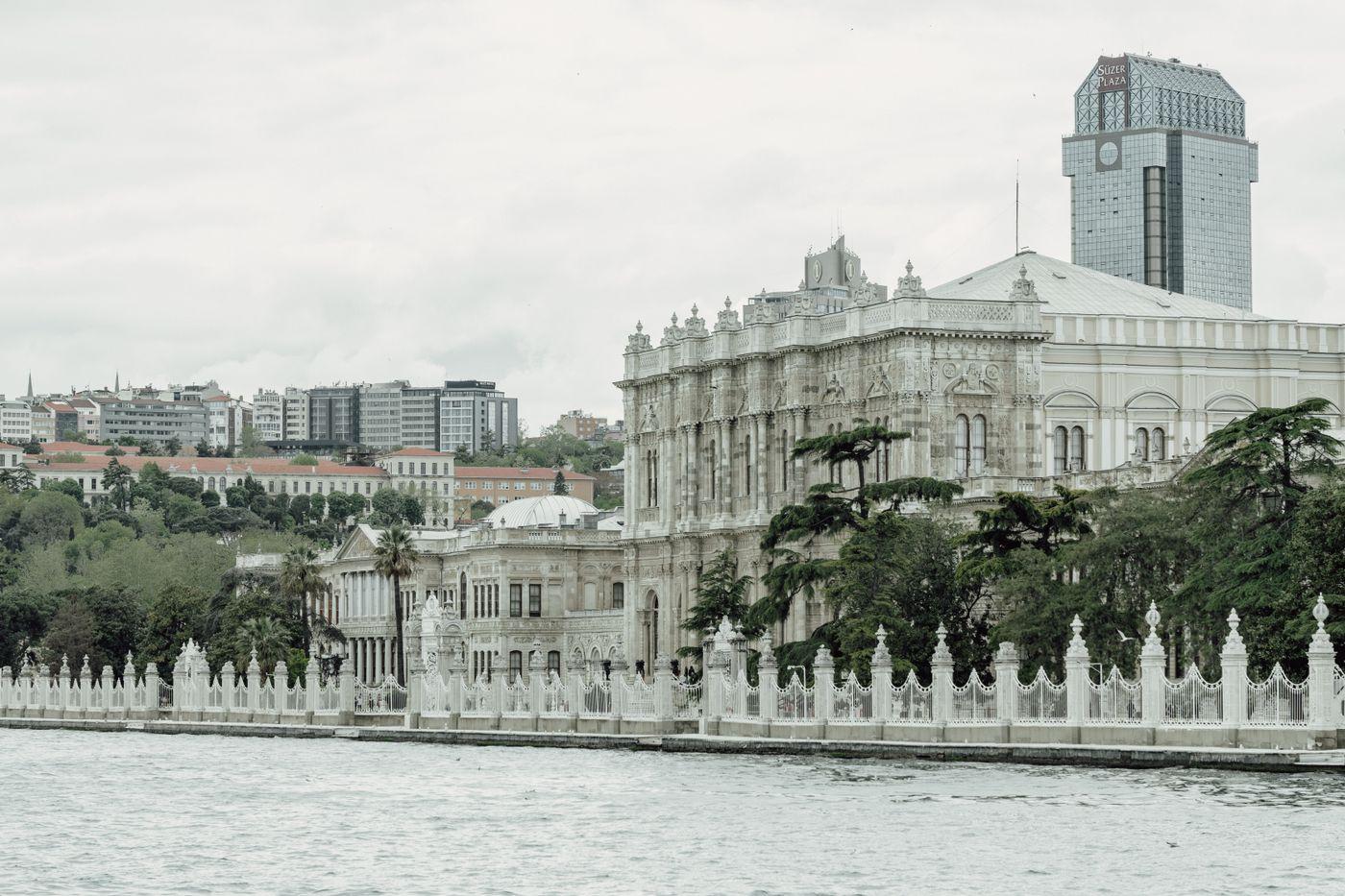
Dolmabahçe Palace sits on the European shore of the Bosphorus in Beşiktaş, a short walk from the Kabataş tram terminus. It was the main residence of the last Ottoman sultans and later the place where Atatürk spent his final years. This guide covers what you need before you go: ticket prices, opening hours, closing days, the photography rules and how to fit the palace into a day along the Bosphorus.
All prices and hours below are as of October 2026 and come from the official National Palaces website (millisaraylar.gov.tr). They change from time to time, so check the sources at the end if you are reading this later.
A short history
Sultan Abdülmecid had the older Beşiktaş waterfront palace pulled down and Dolmabahçe built in its place. Construction ran from 1843 and the court moved in during the 1850s, so Dolmabahçe replaced Topkapı Palace as the sultan's main residence. The building was carried out by the Balyan family of architects together with other builders named on the official site.
According to the National Palaces administration, the main building has 285 rooms, 44 halls and 6 hammams. Atatürk stayed at the palace on and off between 1927 and 1938, worked there in his last years and died there on 10 November 1938. Dolmabahçe opened to the public as a museum palace in 1984.
What you see inside: Selamlık, Harem and more
The main building has three parts. The Selamlık (Mabeyn-i Hümâyûn) was the formal side, used for state business and receptions. The Harem (Harem-i Hümâyûn) was the private quarters of the sultan's family, and it includes the room where Atatürk died. Between them is the Ceremonial Hall (Muayede Salonu), the largest room in the palace.
The standard ticket also covers the National Palaces Painting Museum, housed in the former crown prince's quarters of the complex. The grounds include the clock tower near the main gate and the waterfront gardens.
Ticket prices for foreign visitors (as of October 2026)
| Ticket | What it covers | Foreign visitor | Turkish citizens |
|---|---|---|---|
| Standard ticket | Selamlık, Harem and Painting Museum | ₺2,000 | ₺250 |
| Combined Ticket I (Full Pass) | All National Palaces sites | ₺3,500 | ₺750 |
| Combined Ticket II | Dolmabahçe, Yıldız and other European-side sites | ₺2,750 | ₺500 |
| Combined Ticket III | Dolmabahçe and Asian-side sites | ₺2,750 | ₺500 |
| Children aged 0–6 | All of the above | Free | Free |
Buy tickets at the palace or online through the official National Palaces site. Do not count on a museum pass here: Dolmabahçe is run by the National Palaces administration, and its official page states that the Müzekart is not valid in the Selamlık section.
Opening hours and closing days
- Ticket office: 09:00–17:00, according to the official Dolmabahçe page (as of October 2026). The site's header lists a visiting plan of 09:00–17:30.
- Closed: every Monday, plus New Year's Day and the first day of both Ramadan Bayram and Kurban Bayram.
- Summer hours: from 26 June to 14 September 2026 the palace opened daily from 09:00 to 19:00, with the ticket office closing at 18:00. Expect a similar extended schedule next summer, but confirm the dates when they are announced.
Photography and visiting rules
For years, photography inside Dolmabahçe was banned. That changed in January 2026, when the National Palaces administration began allowing visitors to take personal photos with mobile phones, without flash and without holding up the flow of visitors. Professional shoots and posed shoots in evening dress are still not permitted, and staff may restrict photos in some rooms.
- Keep the flash off and keep moving with the group in busy rooms.
- Leave tripods and professional camera kits at your hotel.
- Weapons are not allowed anywhere in the palaces.
- Expect queues at the ticket office on weekends and in summer; arriving at opening time helps.
How long to spend and when to go
Plan on two to three hours for the Selamlık, Harem and Painting Museum, plus time in the gardens. If you are short of time, the Selamlık and the Ceremonial Hall give the clearest picture of how the palace was used.
Weekday mornings, Tuesday to Friday, are usually quieter than weekends. Spring and autumn are comfortable for walking the waterfront afterwards; in high summer, go early. On 10 November, the anniversary of Atatürk's death, many Turkish visitors come to the palace, so expect longer queues around that date.
Combining Dolmabahçe with the Bosphorus shore
Dolmabahçe is the first stop on one of the most pleasant stretches of the European shore. Heading north along the water you reach:
- Beşiktaş, right next door, with its fish market, cafés and the Naval Museum by the ferry pier.
- Ortaköy, with the Ortaköy Mosque on the waterfront beneath the 15 July Martyrs Bridge.
- Bebek, a waterfront neighbourhood with a park and cafés, good for an afternoon walk.
- Rumeli Fortress, the 1452 Ottoman fortress just beyond Bebek. See our Rumeli Fortress guide.
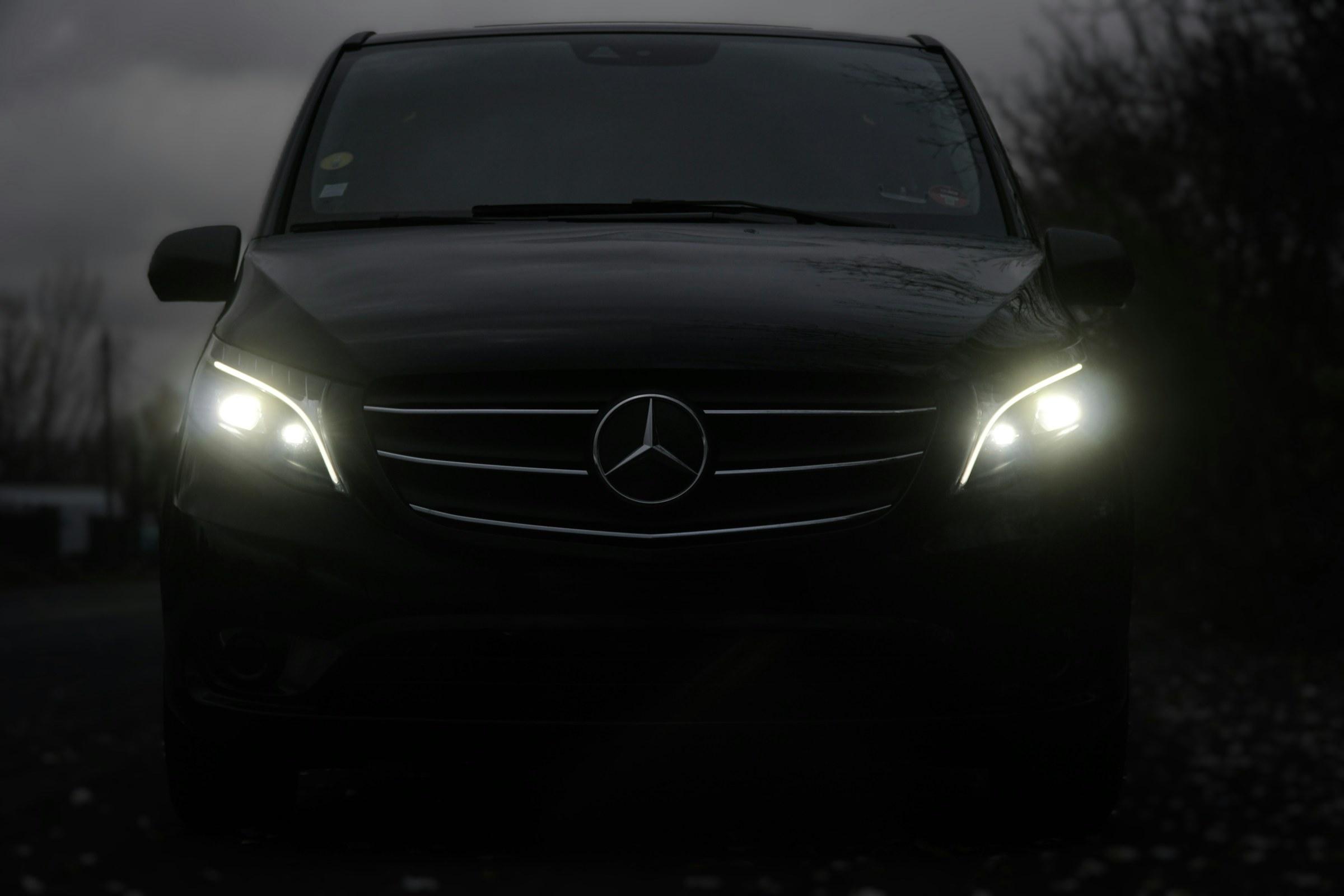
Traffic on the coastal road can be slow, so a driver who drops you at each stop and waits saves a lot of time. We can arrange a private driver by the hour with a Private Mercedes Vito from $40 per hour, minimum 3 hours, or a private Istanbul day tour. Book an hourly driver online or message us on WhatsApp at +90 507 055 44 36.
How to get to Dolmabahçe Palace
From Istanbul Airport
The palace is in Beşiktaş, about 40 km from Istanbul Airport (IST). Our fixed-price Istanbul Airport to Beşiktaş transfer costs $65 with a Private Mercedes Vito or $75 with a VIP Mercedes Vito, per vehicle for up to 6 passengers, with tolls included. The drive usually takes 40–60 minutes depending on traffic.
From Sultanahmet or Taksim
From the old city, take the T1 tram to its last stop, Kabataş, and walk about ten minutes north along the shore to the palace gate. From Taksim, the F1 funicular runs down to Kabataş. Ferries also stop at Beşiktaş pier, a short walk away.
Arriving in Istanbul? Get a fixed price to your hotel