The short answer: for most visitors, Istanbul is a safe city to travel in. Millions of tourists visit every year, the main sightseeing areas are busy and well policed, and violent crime against visitors is uncommon. The problems travellers actually run into are mostly petty: pickpocketing in crowds, overcharging and a handful of well-known scams. This guide explains what official travel advice says, where to take more care, and how to avoid the common tricks.
Everything below reflects the situation as of October 2026. Advice can change quickly, so check your own government's travel advice shortly before you go.
What official travel advice says (as of October 2026)
| Government | Advice for Türkiye | Istanbul |
|---|---|---|
| UK (FCDO) | Advises against all travel only within 10 km of the Syrian border; terrorism threat described as high | Not in an area the FCDO advises against |
| USA (State Department) | Level 2: Exercise Increased Caution; Do Not Travel to south-east Türkiye | Covered by the country-wide Level 2 |
Level 2 is the second of four levels. The FCDO notes that terrorist attacks in Turkey have targeted places such as public buildings, places of worship, airports and large gatherings, and asks visitors to stay alert in crowded places and follow instructions from the authorities. It also advises avoiding all demonstrations, which in Istanbul are sometimes dispersed with tear gas and water cannon.
Safe areas, and where to take more care
The districts most visitors stay in, Sultanahmet, Karaköy and Galata, Taksim and Cihangir, Beşiktaş, Nişantaşı and Kadıköy, are busy until late and generally safe to walk around. Our where to stay guide compares them. The places to be more alert are not dangerous neighbourhoods so much as crowded ones:
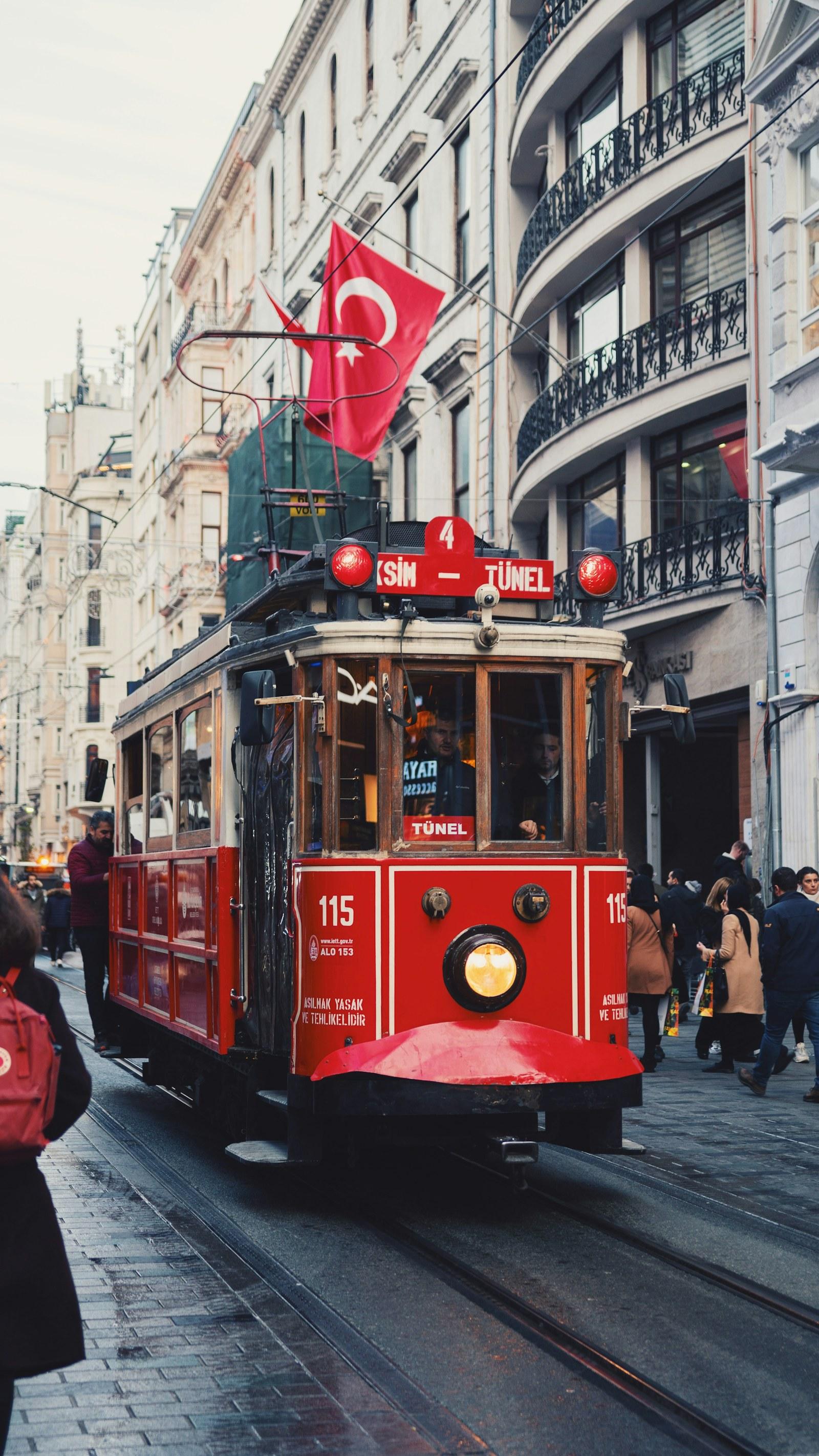
- Crowds: İstiklal Avenue, the Grand Bazaar, the Spice Bazaar, Eminönü and the T1 tram at rush hour are where pickpockets work. Keep your phone and wallet in a front pocket or a zipped bag.
- Late-night Taksim and Beyoğlu side streets: the main avenue is lively and fine, but this is where the bar scam (below) usually starts.
- Some inner-city areas at night: locals tend to advise extra care in parts of Tarlabaşı, just off İstiklal, and the back streets of Aksaray and Laleli late at night. You are unlikely to need to be there after dark.
Common Istanbul scams and how to avoid them
- The shoe-shine brush drop. A shoe-shiner walking ahead of you drops his brush. You pick it up, he offers a "free" shine to thank you, then asks for a lot of money. Just keep walking.
- "Let's have a drink". A friendly stranger (or two) strikes up a conversation around Taksim or Sultanahmet and suggests a bar they know. Drinks arrive, sometimes with hostesses, and the bill is enormous, with large men at the door. Decline invitations to venues chosen by people you have just met.
- Restaurant extras. Trays of meze or bread you did not order, fish priced by weight without telling you the weight, and service charges. Since 30 January 2026 restaurants in Turkey may not add a compulsory service, table or cover charge. Ask for prices first and check the bill.
- The carpet-shop detour. A helpful local walks you to a sight that is "closed" and then to his cousin's shop. Buy only if you want to, and do not feel obliged to stay for tea.
- Taxi tricks. The meter is not switched on, a large note is swapped for a small one, or the driver takes a long route. More on taxis below.
- Money exchange. Compare the buying rate, not the headline rate, and count your lira at the counter. The FCDO notes that banks may refuse US$50 and US$100 notes because of counterfeits. Our money guide covers exchange offices and ATMs.
Start your trip without touts or meters: fixed-price transfer from Istanbul Airport.
Taxis and getting around safely
The FCDO calls using unofficial taxis highly risky and recommends registered, metered taxis, app-based services or pre-booked transport. In practice:
- Take taxis from official ranks or through apps such as BiTaksi or Uber, which in Istanbul send licensed taxis.
- Check the meter starts at the opening fee, follow the route on your phone, and photograph the licence plate. Complaints go to the municipal line 153.
- Count notes out loud as you pay. Our Istanbul taxi fares guide has the current tariff and the usual tricks.
- Public transport (metro, tram, Marmaray, ferries) is busy but safe; most lines run until around midnight. See our public transport guide.
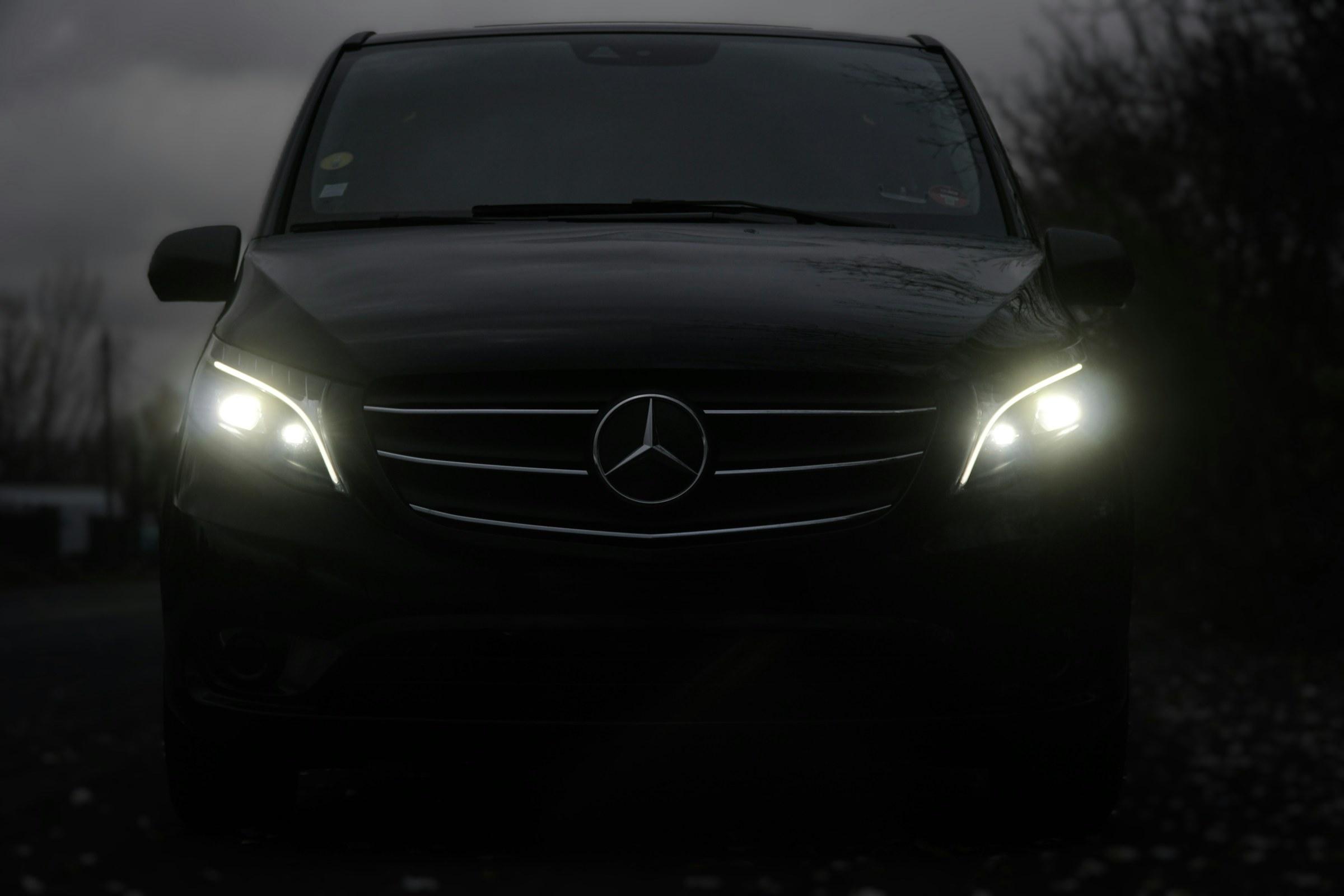
Arrival is when you are most tired and least sure of prices. A pre-booked transfer avoids that entirely: with us, the driver waits inside arrivals with a sign bearing your name, the price is fixed in advance (for example $70 from Istanbul Airport to Sultanahmet or $65 to Taksim in a Private Mercedes Vito), and you pay the driver on arrival in cash, EUR, USD or TRY. Prices are per vehicle for up to 6 passengers, tolls included.
Solo and female travellers
Many women travel to Istanbul alone and have no problems. Unwanted attention, such as comments or persistent conversation from shopkeepers and men in tourist areas, is the most common complaint; a firm "no, thank you" (hayır, teşekkürler) and walking on usually ends it. Some practical points:
- Dress is relaxed in central Istanbul, but cover shoulders and knees, and bring a headscarf, for mosques. More conservative districts such as Fatih and Üsküdar see more modest dress generally.
- Watch your drink and do not accept food or drink from strangers: the FCDO specifically warns about drink and food spiking.
- The FCDO reports that most sexual assaults involving British nationals in 2025 happened in coastal resorts, often involving someone the victim had met that day. Take the same precautions you would at home in nightlife areas.
- Late at night, use an app taxi or a pre-booked car rather than flagging one down, and share your trip with someone.
LGBT+ travellers
According to the FCDO, same-sex sexual activity is legal in Turkey but same-sex relationships are not legally recognised, and authorities have banned or dispersed Pride events since 2015. Beyoğlu and Kadıköy are the most relaxed areas. Public displays of affection may attract unwanted attention, particularly in conservative neighbourhoods.
Is Istanbul safe for Americans and other Western visitors?
US citizens visit Istanbul in large numbers and the same precautions apply as for everyone else. The State Department's advisory mentions the risk of anti-Western sentiment, which is the main reason to stay away from political demonstrations and avoid discussing politics loudly in public. Register your trip with your embassy's traveller programme if one exists, such as STEP for US citizens.
Other things worth knowing
- Carry ID. The FCDO notes it is illegal not to carry photographic ID in Turkey. A passport (or a photo of it plus another photo ID) is sensible.
- Counterfeit alcohol. The FCDO warns that illegally produced alcohol containing methanol has caused deaths. Buy drinks in established bars, restaurants and shops, and be wary of unusually cheap spirits.
- Drugs carry long prison sentences, of 4 to 24 years according to the FCDO.
- Photography: do not photograph military or official sites, and ask before photographing people.
- Earthquakes: Istanbul lies near an active fault line, and a magnitude 6.2 earthquake in the Sea of Marmara in April 2025 was strongly felt in the city. Know your hotel's exits, and follow AFAD, Turkey's disaster agency, if a quake happens.
- Traffic is a bigger everyday risk than crime. Cars do not always stop at pedestrian crossings, and scooters use pavements; look both ways, even on one-way streets.
Emergency numbers
| Who | Number |
|---|---|
| Police, ambulance, fire (single emergency line) | 112 |
| Istanbul municipality complaints, including taxis | 153 |
| Tourism police | Offices and patrols in Sultanahmet, Taksim and other tourist areas; in an emergency call 112 |
| Your consulate | Look up your country's consulate in Istanbul before you travel |
Pharmacies (eczane) are everywhere, and each district has a night-duty pharmacy (nöbetçi eczane) listed in the window of the others.
Our view
Istanbul rewards a little street sense rather than worry. Keep valuables close in crowds, be polite but cautious when strangers approach you, agree prices before you commit, and use licensed transport. For late arrivals, early flights, families with luggage or a day of sightseeing without the hassle, a private driver takes the guesswork out: a chauffeur by the hour starts at $40/hour (minimum 3 hours). See book hourly, our tours, or message us on WhatsApp at +90 507 055 44 36.
For planning, read things to do in Istanbul, what to eat and where to meet your driver at Istanbul Airport. Istanbul VIP is operated by Regatta Turizm (TÜRSAB licence 10138).
Fixed price, driver waiting inside arrivals, free cancellation up to 24 hours.