Most visitors walk straight past the Istanbul Archaeology Museums on their way to Topkapı Palace, which is a pity. Tucked into the slope below the palace, this was Turkey's first museum, and its collection runs from the Ancient Near East to Byzantium. A ten-minute walk away, the Turkish and Islamic Arts Museum fills an Ottoman palace on the Hippodrome. Both are calmer than the big Sultanahmet sights, and both reward a couple of unhurried hours.
Opening hours and prices below are as of October 2026. They come from the Ministry of Culture and Tourism's museum portal, muze.gov.tr, and recent price reports; the sources are listed at the end.
Tickets and opening hours (as of October 2026)
| Istanbul Archaeology Museums | Turkish and Islamic Arts Museum | |
|---|---|---|
| Opening hours | Every day, 09:00–18:30 | Every day, 09:00–18:30 |
| Ticket office closes | 17:30 | 17:30 |
| Weekly closing day | None | None |
| Ticket (foreign visitors) | €15 | €17 |
| Museum Pass Istanbul | Valid | Valid |
| MüzeKart (Turkish citizens and residents) | Valid | Valid |
| Audio guide | Available | Available |
Prices for foreign visitors to state museums are set in euros, and the ticket desk charges the lira equivalent on the day. The Ministry's published tariff for 2027 raises the Archaeology Museums to €16 and the Turkish and Islamic Arts Museum to €19 from 1 April 2027, so expect the figures above to hold until then. Several guides report that children under 12 enter free; bring a passport or ID for them and confirm at the desk.
One ticket covers the whole Archaeology Museums complex: the main Archaeological Museum, the Museum of the Ancient Orient and the Tiled Kiosk. Tickets are sold at the entrance and through the Ministry's e-ticket shop at muze.gov.tr. Over the summer, both museums also took part in the Ministry's night museum programme, which ran from 1 June to 1 October 2026; outside that period they close at 18:30.
The three buildings of the Archaeology Museums
The museum was founded in 1869 as the Imperial Museum, and grew under the painter and archaeologist Osman Hamdi Bey, who became its director in 1881. The complex has three buildings around a garden courtyard:
- The Archaeological Museum, the large neoclassical building by Alexandre Vallaury that opened in 1891. It was built to house the sarcophagi Osman Hamdi Bey excavated at the royal necropolis of Sidon in 1887–1888.
- The Museum of the Ancient Orient, in the former Academy of Fine Arts building of 1883. It reopened on 6 July 2026 after about four years of restoration, with redesigned Mesopotamian, Hittite, Arabian, Urartian and Egyptian halls and pieces from storage on show for the first time.
- The Tiled Kiosk (Çinili Köşk), a pavilion from 1472 and one of the oldest Ottoman buildings in the city. Its exterior tiles were restored one by one, around 54,000 in all, and its halls of İznik, Kütahya and Seljuk ceramics were redisplayed, according to the Ministry's announcement in September 2026.
Some travel sites still describe the Ancient Orient museum and the Tiled Kiosk as closed. That was true for several years, but Turkish press reports from July and September 2026 describe both as reopened. Restoration work across the complex is not finished, so the odd room may still be shut; ask at the entrance if there is something you particularly want to see.
Highlights you should not miss
The collection is enormous (the Ministry speaks of nearly a million objects), so it helps to have a short list:
- The Alexander Sarcophagus. Carved in the late 4th century BC and found at Sidon, it shows battle and hunting scenes in which Alexander the Great appears. Traces of the original paint are still visible.
- The Sarcophagus of the Mourning Women, the Lycian Sarcophagus and the Tabnit Sarcophagus, all from the same royal necropolis, in the halls around it.
- The Kadesh peace treaty tablet, a clay tablet recording the treaty between the Egyptians and the Hittites in the 13th century BC, often called the oldest known peace treaty. It belongs to the Ancient Orient collection.
- Glazed brick panels from Babylon, including a striding lion from the Processional Way built under Nebuchadnezzar II.
- Istanbul Through the Ages, a gallery in the main building that traces the city from prehistory to the Ottoman period, with Byzantine pieces from the old city.
- The İznik tiles in the Tiled Kiosk, including a tiled mihrab from Karaman.
Displays were rearranged during the restoration, so individual pieces may have moved. The audio guide is worth having if you want more than the labels.
Staying in Sultanahmet? Get a fixed price from Istanbul Airport
The Turkish and Islamic Arts Museum
The Turkish and Islamic Arts Museum is housed in the palace of İbrahim Pasha, grand vizier to Süleyman the Magnificent, on the west side of the Hippodrome opposite the Blue Mosque. Built in 1520, it is one of the few surviving Ottoman palaces outside the royal ones. The museum first opened in 1914 in the Süleymaniye complex, moved here in 1983 and reopened in 2014 after restoration.
- Carpets. The collection is famous for its rugs, including rare 13th-century Seljuk carpets. Even if carpets are not your thing, the scale of the main hall is impressive.
- Art from across the Islamic world, from the Umayyad and Abbasid periods to the Seljuks, Mamluks, Safavids and Ottomans: manuscripts, metalwork, glass, ceramics and wood.
- The ethnography section off the courtyard, showing daily life, including the interior of nomad tents and 19th-century Istanbul homes.
- A holy relics section, which the Ministry describes as similar to the one at Topkapı Palace.
Allow an hour to an hour and a half. From the upper floor you look straight across the Hippodrome to the Blue Mosque.
How long to spend and when to go
| Museum | Time to allow | Good to know |
|---|---|---|
| Archaeological Museum (main building) | 1.5–2 hours | The sarcophagus halls are on the ground floor |
| Museum of the Ancient Orient | 45 minutes | Reopened July 2026 |
| Tiled Kiosk | 20–30 minutes | Small, but the tiles are superb |
| Turkish and Islamic Arts Museum | 1–1.5 hours | On the Hippodrome, opposite the Blue Mosque |
Neither museum gets the queues of Hagia Sophia or Topkapı. Mornings are calmest, and both are good choices on a rainy or very hot afternoon. Remember that the ticket office closes an hour before the museum.
Getting there and combining sights
The Archaeology Museums stand in Gülhane, between Gülhane Park and the outer walls of Topkapı Palace. The closest stop is Gülhane on the T1 tram, a few minutes' walk away. A new main entrance and visitor centre has been created on Gülhane Square, according to the Ministry; the traditional route also runs up the Osman Hamdi Bey slope from the park gate. The Turkish and Islamic Arts Museum is on At Meydanı Sokak beside the Hippodrome, a short walk from the Sultanahmet tram stop. Fares and Istanbulkart tips are in our public transport guide.
Both museums fit easily into a Sultanahmet day. A natural route: Topkapı Palace when it opens, the Archaeology Museums straight after (they sit just below the palace's outer courtyard), lunch, then the Hippodrome with the Turkish and Islamic Arts Museum, the Blue Mosque and the Basilica Cistern. Our 3-day itinerary shows where they fit in a longer stay.
Arriving from the airport
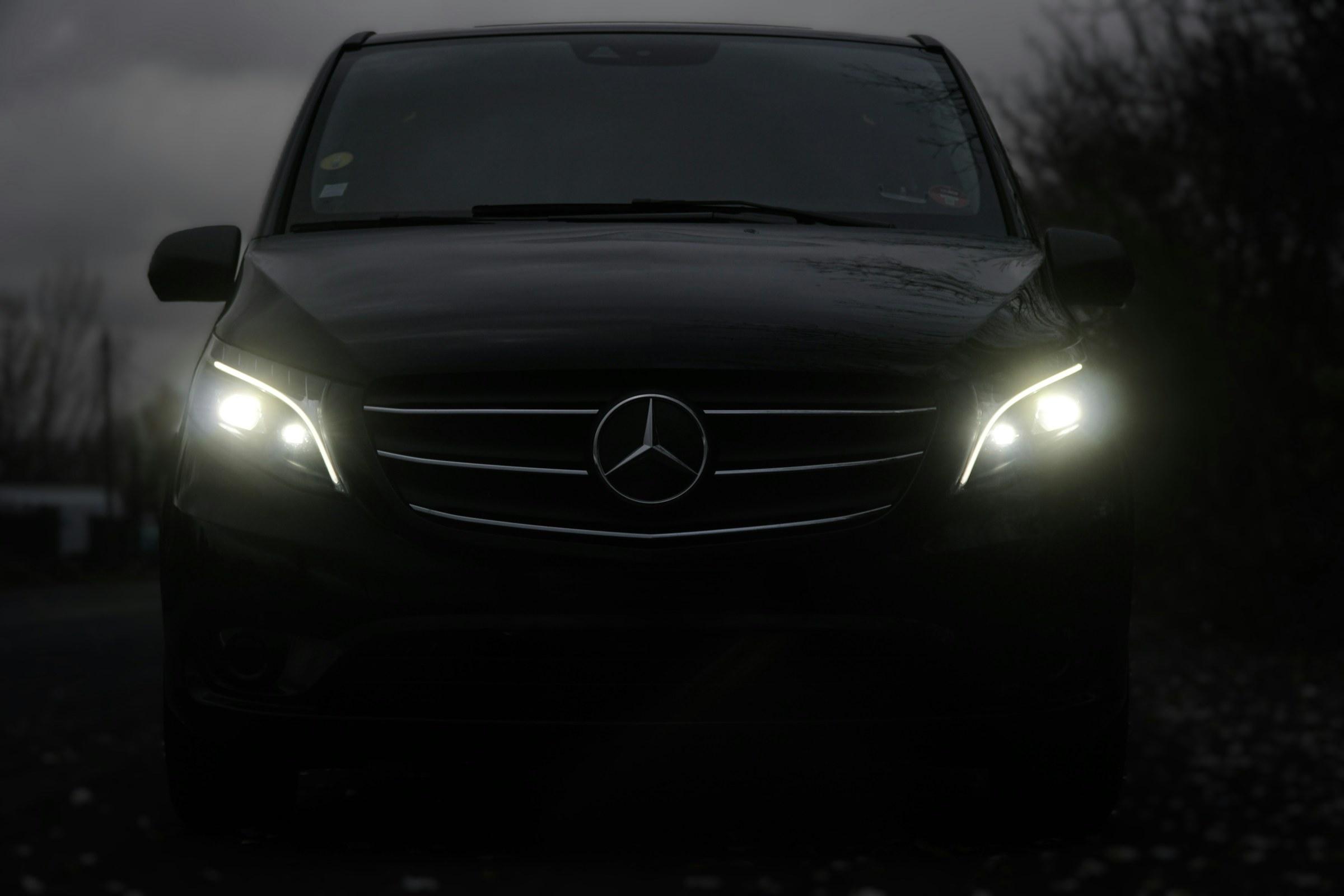
Sultanahmet is about 45 km from Istanbul Airport, normally 45–70 minutes by car. A fixed-price private transfer from Istanbul Airport to Sultanahmet costs $70 in a Private Mercedes Vito or $80 in a VIP Vito. From Sabiha Gökçen Airport to Sultanahmet it is $75 / $85. Prices are per vehicle for up to 6 passengers and 12 suitcases, tolls included, and you pay the driver on arrival.
Flying into Sabiha Gökçen? Fixed price to Sultanahmet
Istanbul VIP is operated by Regatta Turizm (TÜRSAB licence 10138).