Istanbul is a year-round city. The mosques, palaces and bazaars do not close for the season, the ferries run every day, and there is no month when a visit makes no sense. What changes is the weather, the length of the queues and, twice a year, the rhythm of the city during the religious holidays.
The short answer: mid-April to early June, and September to mid-October. You get mild days for walking, long enough evenings for the Bosphorus, and fewer people than in July and August. If you can live with grey skies and some rain, winter is the calmest and usually the cheapest time to come.
The best time for each kind of trip
- First visit, lots of walking: late April, May, late September and early October. Comfortable temperatures and dry days are more likely.
- Bosphorus, rooftops and long evenings: June and September. Warm, with the longest daylight in June.
- Swimming: July and August, on the Black Sea coast at Şile and Ağva or on the Princes' Islands. The city itself is hot and humid.
- Fewer crowds and lower hotel rates: November to March, except around Christmas and New Year.
- Tulips: April, when the city's tulip festival fills Emirgan Park and Gülhane Park.
Istanbul weather by month
The figures below are long-term averages from the Turkish State Meteorological Service (MGM) for its Istanbul station, measured from 1950 to 2025. Individual years can be warmer or wetter, so check a forecast a few days before you travel.
| Month | Avg high | Avg low | Rainy days | Rain | What it feels like |
|---|---|---|---|---|---|
| January | 9.6°C | 4.2°C | 16.3 | 89 mm | Cold, damp, often grey; occasional snow |
| February | 10.2°C | 4.2°C | 13.9 | 71 mm | Similar to January; the coldest nights |
| March | 12.4°C | 5.5°C | 12.6 | 62 mm | Changeable; cool winds, first sunny spells |
| April | 17.4°C | 9.2°C | 10.1 | 48 mm | Spring, tulips; cool evenings |
| May | 22.3°C | 13.6°C | 7.5 | 33 mm | Warm, mostly dry; ideal for walking |
| June | 27.1°C | 18.0°C | 5.4 | 28 mm | Early summer, long evenings |
| July | 29.7°C | 20.5°C | 3.5 | 22 mm | Hot and humid; the busiest month |
| August | 29.7°C | 20.8°C | 3.6 | 24 mm | Hot and humid; warm nights |
| September | 25.9°C | 17.6°C | 5.5 | 40 mm | Warm, sea still warm; crowds thin out |
| October | 20.6°C | 13.7°C | 9.5 | 66 mm | Mild, but rainy days return |
| November | 16.1°C | 9.9°C | 11.3 | 78 mm | Cooler and wetter; some fine days |
| December | 11.8°C | 6.5°C | 15.5 | 99 mm | The wettest month by rainfall |
Two things the averages do not show: the humidity, which makes July and August feel hotter than 30°C, and the wind. The northerly wind known as the poyraz can make a sunny winter or spring day feel much colder on the ferries and along the Bosphorus.
Whatever the season, your driver waits inside arrivals. See the fixed price to Sultanahmet.
Spring (March to May)
March is unpredictable: a mild, sunny week can be followed by cold rain. From April the city warms up quickly, and May is many people's favourite month, with long dry days and temperatures that suit a full day on foot in the old city.
The Istanbul Tulip Festival runs through April. In 2026 it was held from 1 to 30 April, with Emirgan Park on the Bosphorus as its centre and displays in Gülhane Park and Göztepe 60. Yıl Park, according to Hürriyet and Habertürk. Reports put the best of the flowers in the middle two weeks of the month. Emirgan is a weekend favourite for local families, so go on a weekday morning if you can.
Spring is also when cruise ships and tour groups return. Easter and the May bank holidays in Europe bring more visitors, and in 2027 the Kurban Bayramı holiday falls in mid-May (see below).
Summer (June to August)
June is warm and bright, with the longest evenings of the year. July and August average highs of about 30°C with high humidity, and heatwaves push temperatures higher. This is the busiest period: expect long queues at Topkapı Palace, Hagia Sophia, the Basilica Cistern and Galata Tower, and book popular restaurants and boat trips in advance.
- Sightsee early. Be at the big sights when they open and save the hottest hours for indoor museums or a long lunch.
- Get on the water in the evening. The breeze on a ferry or a Bosphorus cruise is the best relief from the heat.
- Escape to the coast. The Black Sea beaches at Şile and Ağva, about two hours by car, are where Istanbul goes to swim. See our Şile and Ağva day trip guide.
- Dress for mosques. Shoulders and knees must be covered and women need a headscarf, so carry a light scarf or shawl even in the heat.
Autumn (September to November)
September is summer without the worst of the heat or the crowds, and the sea is still warm. October is mild, with average highs of about 21°C, but it is also when rainy days come back: the long-term average is about nine and a half in the month. November is cooler and wetter, though bright, still days are common.
Republic Day on 29 October is a national holiday, with flags, events and fireworks along the Bosphorus; government offices close from the afternoon before. The Istanbul Marathon, the race that crosses the Bosphorus from Asia to Europe, is held on a Sunday in early November (it was on 2 November in 2025). On race morning the 15 July Martyrs Bridge, the Galata Bridge, the Eurasia Tunnel and the roads around Sultanahmet are closed for several hours, according to the Istanbul Governor's office as reported by Hürriyet. If you have a flight that morning, allow extra time.
Winter (December to February)
Winter is cool and damp rather than freezing. December has the highest average rainfall and January the most rainy days, with lows around 4°C. Snow falls in some winters, usually in January or February. A heavy snowfall can slow traffic and delay flights for a day or two, but it rarely lasts in the city centre.
The upside is real: shorter queues at the main sights, quieter restaurants, and hotel rates that are usually lower than in spring and summer. Christmas is not a public holiday in Türkiye, but New Year's Eve is a big night out, with crowds around Taksim, Ortaköy and the Bosphorus shore, and hotels fill up for that week.
Ramadan and the religious holidays
The Islamic calendar is lunar, so Ramadan and the two religious holidays move about eleven days earlier each year. The dates below come from the 2027 calendar of the Presidency of Religious Affairs (Diyanet), as reported by Evrensel and CNN Türk in August 2026.
| Date | Holiday | What to expect |
|---|---|---|
| 29 October 2026 | Republic Day | National holiday; celebrations along the Bosphorus |
| 1 January 2027 | New Year's Day | National holiday after a busy New Year's Eve |
| 8 February – 8 March 2027 | Ramadan | First fast 8 February; normal opening hours for most sights |
| 9–11 March 2027 | Ramazan Bayramı (Eid al-Fitr) | Public holiday; eve on 8 March is a half day |
| 23 April 2027 | National Sovereignty and Children's Day | National holiday |
| 1 May 2027 | Labour and Solidarity Day | National holiday; Taksim Square is often closed off |
| 16–19 May 2027 | Kurban Bayramı (Eid al-Adha) | Public holiday; eve on 15 May; 19 May is also Youth and Sports Day |
| 15 July 2027 | Democracy and National Unity Day | National holiday |
| 30 August 2027 | Victory Day | National holiday |
Visiting during Ramadan is fine. Restaurants and cafés stay open during the day, and visitors are not expected to fast, though it is polite not to eat or drink conspicuously in front of mosques. In the evening, the square between Hagia Sophia and the Blue Mosque fills with families breaking their fast (iftar), and many restaurants serve a set iftar menu. Traffic is at its worst in the hour before sunset, when everyone is trying to get home for iftar.
During the Bayram holidays many Istanbul residents leave the city, so roads in the centre can be quieter, but airports, bus stations and intercity routes are very busy, and the sights fill up with domestic visitors. The Grand Bazaar and the Spice Bazaar close at least on the first day of each holiday, and Topkapı Palace is closed on the first day of Ramazan Bayramı, according to its official page.
Crowds: when and how to avoid them
Summer, Easter, the religious holidays and the New Year week are the busiest periods. Within any week, Saturdays and Sundays are busier than weekdays at the sights that locals also visit, such as Galata Tower, Emirgan, the Bosphorus villages and the Princes' Islands. A few habits help in any season:
- Be there at opening time. The first hour at Hagia Sophia, Topkapı and Galata Tower is the calmest of the day.
- Know the closing days. Topkapı Palace is closed on Tuesdays, Dolmabahçe Palace on Mondays and the Grand Bazaar on Sundays.
- Mind Fridays at mosques. The Blue Mosque and other mosques close to visitors around the Friday noon prayer.
- Buy tickets online where the official site sells them, so you only queue for entry.
Our three-day itinerary is planned around these closing days, and where to stay in Istanbul explains which areas are quieter at night.
What to pack
- All year: comfortable shoes for cobbles and hills, a scarf or shawl for mosques, and a light layer for the wind on the ferries.
- Spring and autumn: a light waterproof jacket and a jumper for the evenings.
- Summer: breathable clothes that still cover shoulders and knees for mosques, sunscreen and a refillable water bottle.
- Winter: a warm waterproof coat, an umbrella and shoes that cope with wet stone streets.
Getting from the airport in any season
Istanbul Airport (IST) is about 45 km from Sultanahmet and 40 km from Taksim; Sabiha Gökçen (SAW) is on the Asian side, about 35 km from Kadıköy. Rain, holiday traffic and the evening rush can easily add half an hour to the drive.
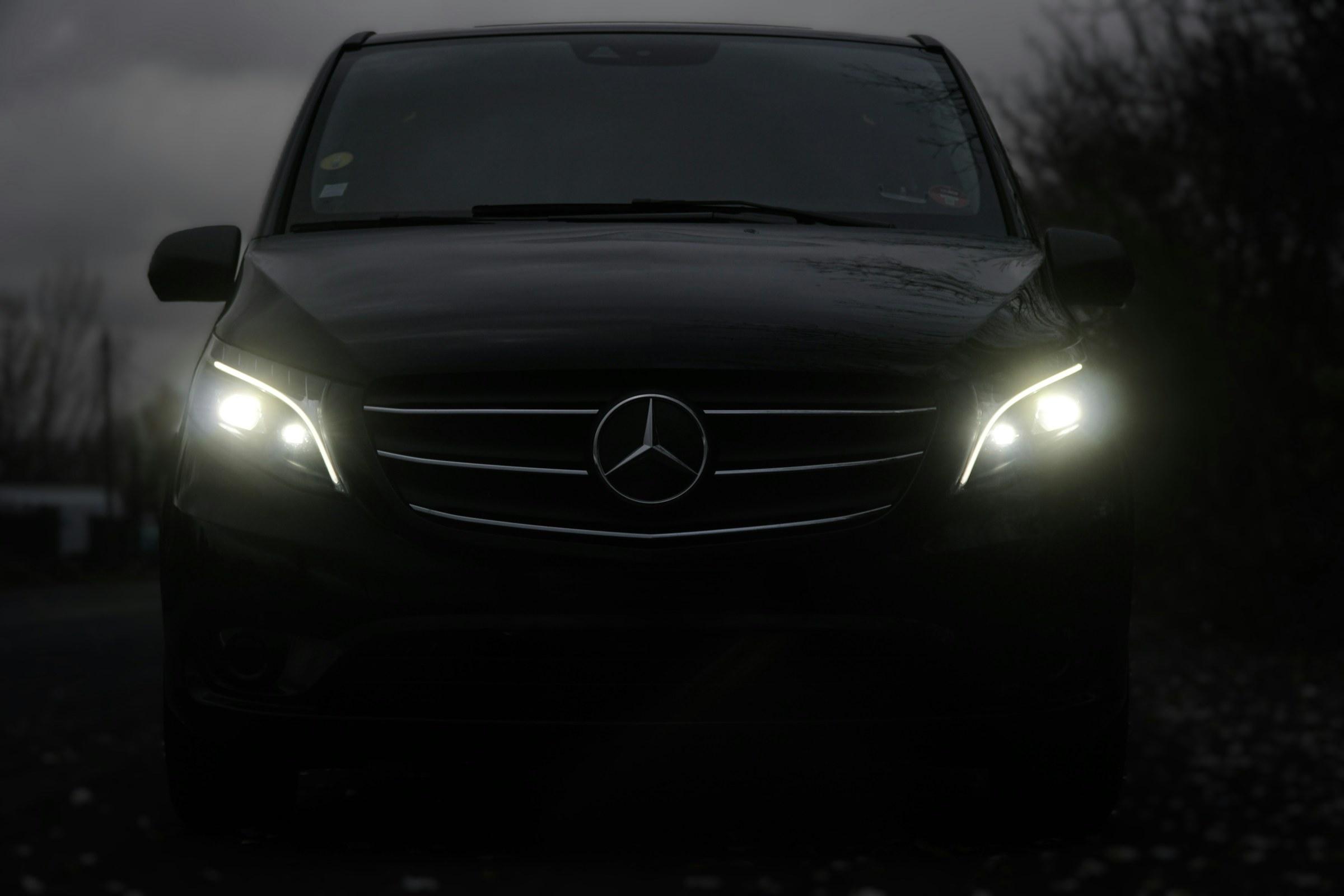
Our fixed-price transfers cost $70 / $80 from Istanbul Airport to Sultanahmet, $65 / $75 from Istanbul Airport to Taksim and $65 / $75 from Sabiha Gökçen to Kadıköy, in a Private or VIP Mercedes Vito. Prices are per vehicle for up to 6 passengers and up to 12 suitcases, with tolls, parking and waiting included, and you pay the driver on arrival in cash (EUR, USD or TRY). Questions? WhatsApp us at +90 507 055 44 36. Istanbul VIP is operated by Regatta Turizm (TÜRSAB licence 10138).
Fixed price day and night, in any weather. Book your airport transfer.